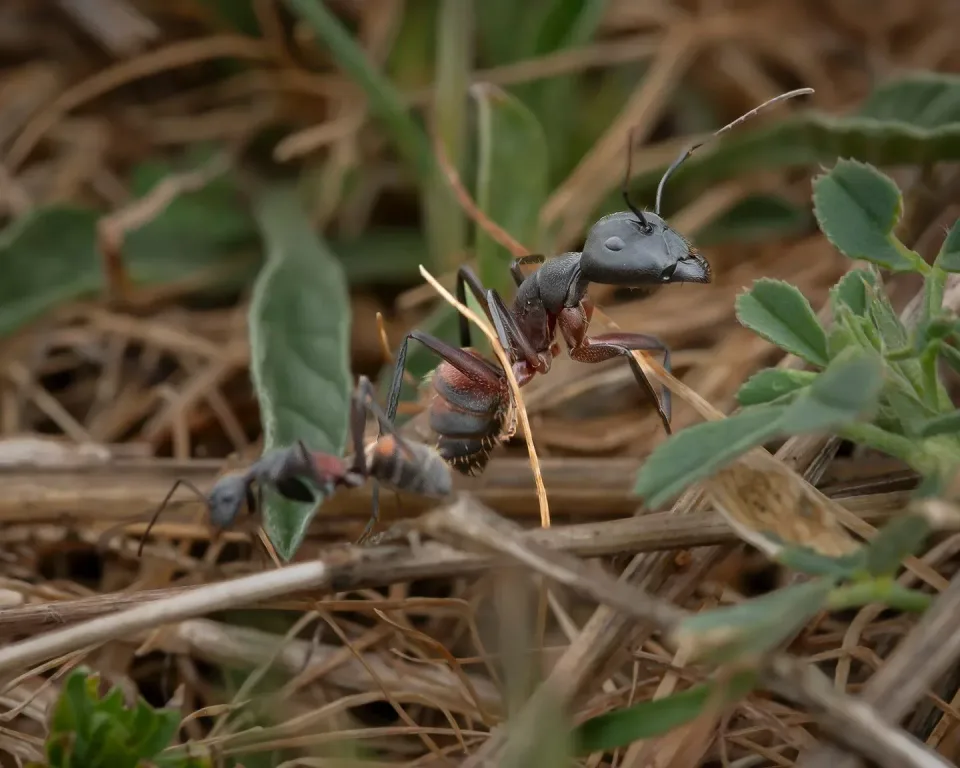
General Pest Control · College Park, MD
General Pest Control in College Park, MD: Pantry Pests, Rodent Gaps and Ants
Student apartments and dining near the University of Maryland can mean shared walls, kitchens, and storage areas where pest activity is noticed quickly. In College Park, we inspect the source before recommending treatment, whether the property is a residence or an older commercial storefront.
- Serving since 2016
- Maryland pesticide business license
- Maryland-certified pesticide applicator
- Serving since 2016
- Maryland pesticide business license
- Maryland-certified pesticide applicator
Warm, humid summers increase indoor moisture and pest activity, so we check damp areas and likely entry points rather than treating only where insects appear. Fall temperatures can also prompt rodents to seek indoor shelter; a simple check beneath kitchen sinks and around utility openings may reveal gaps or droppings worth reporting. Our team has served College Park for more than 10 years. We coordinate appointments for homes and businesses in Crystal Springs, Branchville, Hollywood, Lakeland, and Autoville, and explain what we find before work begins. Call (877) 729-2528 to arrange an inspection. We’ll discuss access, observed activity, and a treatment plan suited to your College Park property.
Who handles pest control in College Park, MD?
College Park Airport and the National Archives at College Park are familiar local landmarks, but homes nearby range from early twentieth-century brick houses to student apartment buildings. Freeze-thaw cycles can widen foundation and masonry cracks, giving small pests a route indoors; we check those openings as part of an inspection.
Coastal communities face salt air and storm-surge exposure, a different condition from College Park’s inland properties. Mountain elevations receive more snowfall than coastal areas, so winter service needs vary across the state.
We respect occupied spaces and coordinate arrival details with residents or property managers. Call (877) 729-2528 to discuss a visit.
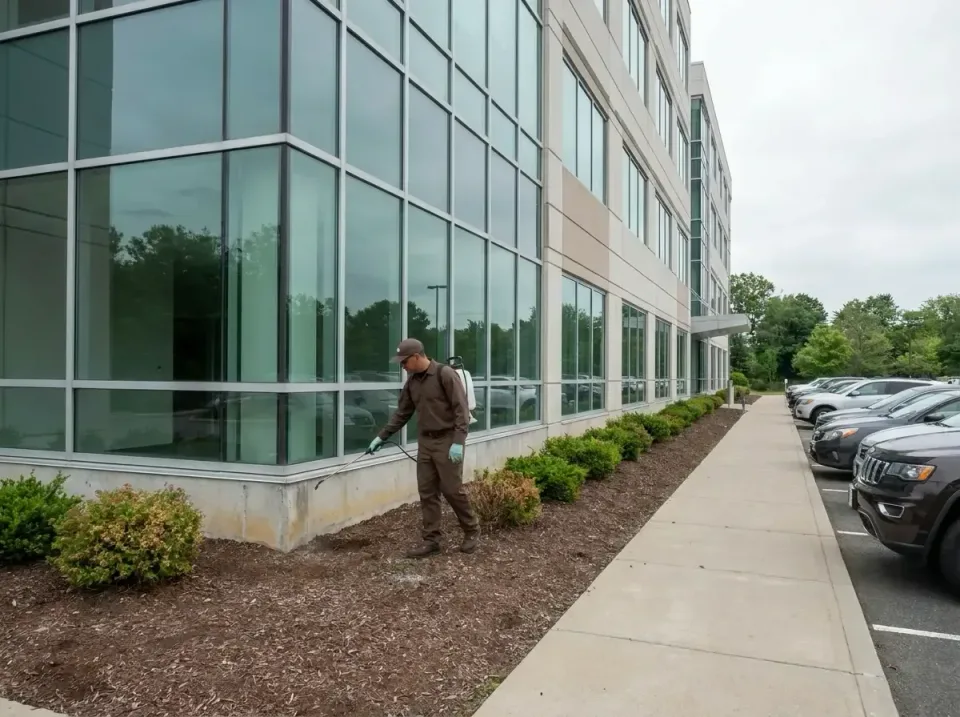
How we handle rain-driven pest activity in College Park
After spring rain, ants may trail across counters or rodents may appear indoors. Wet weather can drive both inside, while standing water around foundations gives the inspection another useful starting point. Summer thunderstorms can cause localized flooding, so we ask about damp basements and crawl spaces before choosing treatment.
At Paint Branch Trail, outdoor moisture is part of the setting; around a property, we look for water collection, entry gaps, and harborage. We identify the pest, check where activity is concentrated, then select treatment and monitoring suited to the site. You can check beneath sinks and note where a trail begins; avoid spraying over it before inspection.
For College Park properties, we schedule coverage in 20742, 20740, and 20741. Our team handles recurring ant and cockroach activity, pantry pests, and rodent concerns with a property-specific plan. Call when activity continues or the source is unclear.
Cold-season checks for College Park brick homes
Cold occasional snowy winters can leave College Park’s early brick houses with openings that deserve a closer look after freeze and thaw. Near Lake Artemesia, our team checks foundation edges and basement access points during a General Pest Control visit, then recommends sealing or treatment based on evidence of activity.
Small openings matter. Tick control also depends on identifying where activity occurs and whether the property conditions support treatment; we do not assume every outdoor sighting calls for pesticide use. You can check visible foundation joints from ground level and report any gaps. Call us if pest activity persists or an inspection finds an entry route.
Which College Park neighborhoods do we serve?
Our service area includes the College Park neighborhoods below, with inspection plans adjusted to the property rather than the neighborhood name.
In Crystal Springs, we check accessible foundation edges and utility openings when residents report indoor pest activity. Branchville customers can point out where activity appears, helping our team trace it to a likely entry or harborage.
In Hollywood, we assess the affected rooms and nearby access points before selecting treatment. Lakeland properties with damp basements deserve attention after heavy rain, which can saturate below-grade spaces and complicate pest inspections.
In Autoville, late-summer humidity can worsen damp-basement conditions, so we check for moisture alongside signs of insects.
Cold winters bring occasional snow and hard freezes in College Park; after a freeze, residents can safely look for visible gaps from ground level and tell us what they find. Call (877) 729-2528 to coordinate service in your neighborhood.
Why us
Local General Pest Control in College Park, MD
Get a clear inspection and treatment plan shaped around your property.
Find The Source
Technicians look for pest activity and entry points before choosing a treatment. That helps connect what you have noticed with conditions around your College Park property.
Agree On Scope
The technician explains findings and outlines next steps before treatment begins. You can discuss the proposed work and understand what is included before the crew proceeds.
Local Property Know-How
Experience with Maryland homes and businesses informs inspections of aging foundations, shared walls, and other potential entry points. Appointments are coordinated around each property’s needs.
Our process
How a visit works
The visit starts with your concerns and ends with clear guidance on what comes next.
Discuss Concerns
You describe the pest activity you have noticed and disclose prior pesticide applications. The team uses that information to prepare for an inspection suited to your property.
Inspect The Property
A technician checks for pest activity and possible entry points, including areas relevant to your concerns. You get an explanation of the findings before treatment is selected.
Apply Treatment
The crew carries out the agreed treatment and explains any label-required precautions. You receive guidance on keeping people and pets away during required treatment periods.
Warning signs
Early Pest Warning Signs
Small Pellets Near Wood
Small, sand-like pellets near wood may indicate insect activity worth checking. Avoid sweeping them away before noting the location, since the surrounding area can help a technician assess what is happening.
Unusual Musty Odor
An unexplained musty odor in a closed cabinet or storage area can be a reason to look for pest activity. Check for other visible changes, and share where the smell is strongest during an inspection.
Through the year
General Pest Control Through The Year
Spring
As temperatures rise, activity around foundations and exterior openings can become easier to notice. A spring inspection can help identify entry points and signs of activity before they become a more persistent indoor concern.
Summer
Humid Maryland summers can bring increased pest activity around homes and businesses. An inspection can help connect indoor sightings with exterior openings and guide a treatment plan suited to the property.
Fall
As temperatures cool, rodents may look for shelter indoors through gaps around foundations and utility areas. A fall visit can check for activity and entry points and clarify what steps may help.
Winter
Cold spells and occasional snowy nor'easters can push pests toward sheltered spaces indoors. An inspection can check accessible areas for signs of activity and help identify openings that may need attention.
Before you hire
Questions To Ask Before Hiring
Does the provider hold the required Maryland pesticide credentials?
Ask about the Maryland pesticide business license and applicator credentials relevant to the work. Confirming who will perform the treatment helps you understand the provider’s qualifications before agreeing to service.
Are there ongoing contract terms?
Ask whether the proposed service is a one-time visit or includes recurring appointments, and request any terms in writing. Understanding the arrangement helps you decide whether it suits your property and expectations.
Ready to get started?
Call to talk through your job in College Park.
10+
Years serving College Park
250
Areas served
General Pest Control FAQs in College Park, MD
Straight answers for customers in College Park on pricing, delivery, and scheduling.
What should I do about ants on my College Park kitchen counter?
Wipe up food residue, store food in closed containers, and note where the trail starts without spraying over it. In College Park, we inspect the trail and nearby entry points before choosing treatment.
Can you inspect a student apartment building?
Yes. Our team can coordinate access with residents or property managers, inspect the affected unit and relevant shared areas, and explain the treatment plan before work begins.
Which ZIP codes do you serve in College Park?
We schedule General Pest Control in 20742, 20740, and 20741. Call (877) 729-2528 to discuss the property and arrange an appointment.
ZIP Codes We Serve in College Park, MD
General Pest Control covers every ZIP code in College Park, MD.
Meet Your Local Experts

Daniel Brooks Lead Expert
Maryland Pest Solutions
"Practical Pest Control Across Maryland"
I started in pest control working in Baltimore, where older rowhouses, shared walls, and aging foundations often create pest entry points. I built this company to bring careful inspections and clear treatment plans to Maryland homes and businesses through humid summers and colder months when rodents seek shelter indoors.
Get a General Pest Control Quote in College Park, MD
Share job details below or call our team directly. Phone: (877) 729-2528
Service Areas Within 30 Miles of College Park
General Pest Control is also available in these nearby communities.